Need emergency plumbing in Everett?
Have a leak, a slow drain or a sewer smell? Request a callback to check provider availability, or send a request and share what you see.
No obligation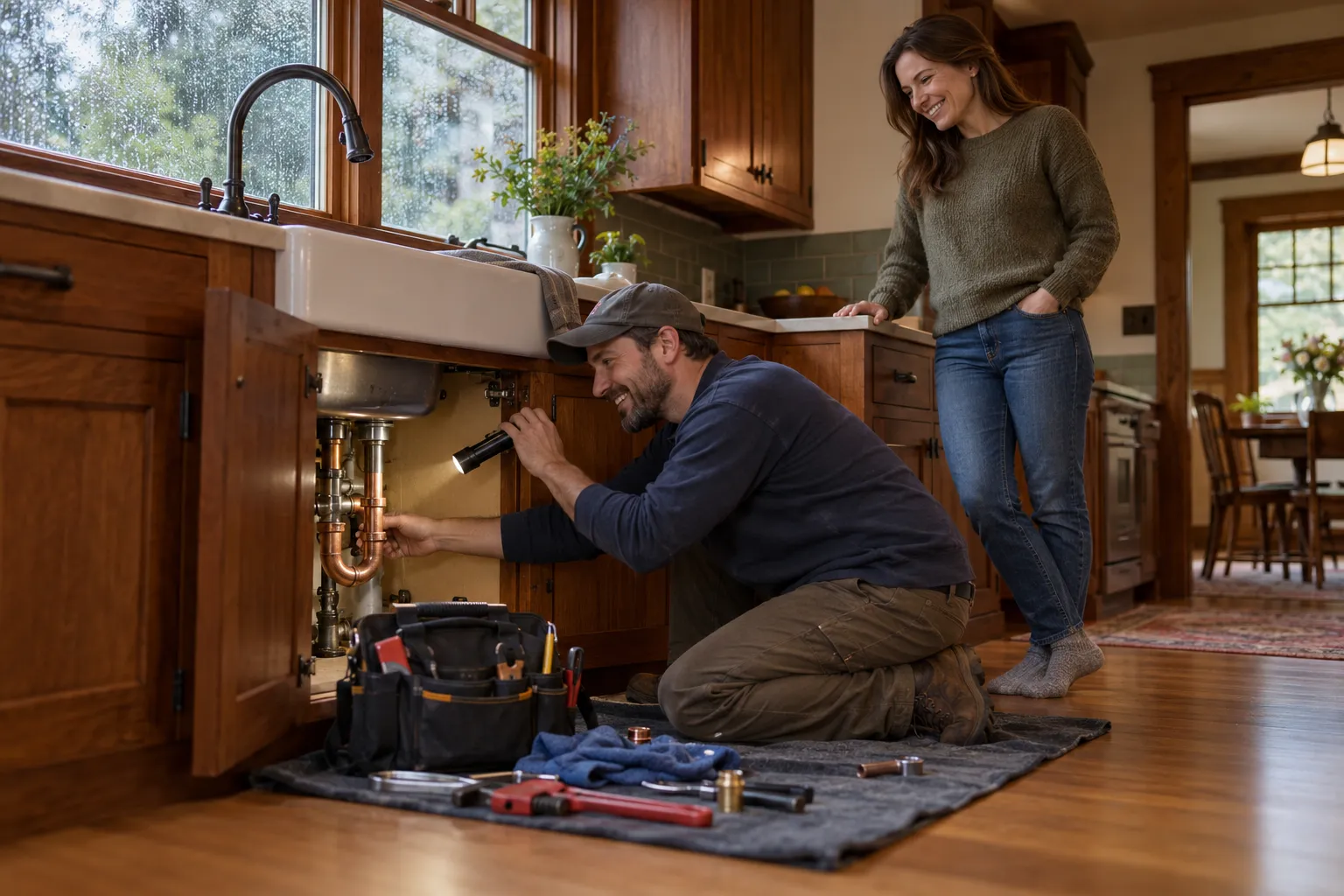
Water where it should not be? Take a breath. You do not have to figure this out alone. Spreadeducational Plumbing is a referral service. We connect homeowners in Everett and the Everett area with independent local providers who handle emergency plumbing. We do not do the repair ourselves. The provider does.
Emergency plumbing covers burst pipes, bad leaks, overflowing toilets, failed water heaters and other problems that cannot wait. Our long wet season and the occasional windstorm can make these problems more likely. Request a callback to check provider availability, or request an estimate if you want to share details first. Your provider will explain the work and the price before it starts.
Water is spraying, dripping or backing up, and you want to know what to do. Good news: you can take a few simple steps right now, and then get a local provider on the way.
Spreadeducational Plumbing is a referral service. The plumbing work is not done by Spreadeducational Plumbing. Instead, it connects you with independent providers in our network who handle urgent plumbing in the Everett area. Many providers can respond quickly, but availability varies, so ask when you reach one.
That is the first question most people ask. Here is a simple way to sort it out.
Not sure which one you have? Request a callback and describe what you see. A provider can help you decide.
Stay calm and work through this list.
In wood-frame homes with crawl spaces, the main valve is often near the street side or under the house. Older craftsman houses may have a stiff, old valve. Check that it turns easily before an emergency happens.
Water spreads farther than you think. It soaks into drywall, flooring and insulation. In a damp climate, wet materials can grow moss and mold in a short time. Crawl spaces stay humid already, so a hidden leak there can linger for weeks.
Acting quickly can keep a small repair from becoming a big one. It also gives you better photos and notes if you decide to ask your insurer about a claim. Some policies may cover sudden damage, so check your policy. Providers can often help document damage for a claim.
A provider's first job is to stop the damage. After that, they look for the cause and explain your options.
That can include shutting off and isolating a broken line, repairing or replacing a section of pipe, fixing a failed fixture or valve, and checking nearby pipes for wear. They should tell you the price before starting. If the fix is temporary, they should say so and explain what comes next.
Winters here are mild, so you may think freezing is not a worry. But the occasional cold snap can still catch pipes in crawl spaces, garages and outside walls. Pipes there are often poorly insulated.
When a pipe bursts, shut off the main valve and open a faucet to drain what is left. Do not use a flame to thaw a frozen pipe. A provider can thaw it safely and check for cracks.
Sometimes. A tank that leaks steadily can flood a closet or garage fast. Turn off the water supply to the heater and shut off its power or gas. Then reach out to a provider for help.
No hot water at all is stressful but usually less urgent. Newer townhomes may have heaters in tight closets, so a leak can reach the walls quickly. Older tanks near the end of their life are the most likely to fail.
Weeks of steady rain bring extra trouble. Soil gets heavy and shifts. Roots push on lines. Windstorms can drop branches and break exposed pipes or outdoor spigots.
That is why being ready before the rain pays off. In early fall, check your main valve, look under sinks and in the crawl space for damp spots, and note any pipes that sweat or stain. Small fixes before the storms are easier on your budget and your schedule.
Ask a few plain questions when you talk to one.
A good provider answers clearly and does not rush you. If something feels off, say so and ask for another option.
Yes, in many cases. Tell the provider about school runs, work calls, naps and pets. Ask which rooms will be affected and for how long.
Some repairs mean the water is off for a while. Fill a few pots, charge your phones and plan simple meals. If kids are home, keep them away from the work area. A clear plan makes the day calmer for everyone.
Ask the provider to walk you through what they fixed. Keep the invoice and your photos. Run the taps and flush the toilets to check for leaks before they leave.
Then dry out the area. Fans and open windows help, and wet carpet or drywall may need extra care. If you have an older home, ask whether other pipes are showing wear so you can plan ahead.
Providers can stop active leaks, shut off damaged lines and make the area safe so you can breathe and plan the repair.
A provider can fix or replace a burst, cracked or worn section of supply or drain pipe.
Leaking tanks and failed valves can be checked, with repair or replacement options explained.
Overflowing toilets, broken shutoffs and failed fittings can be repaired so water stays where it belongs.
Prices vary by home, pipe type and how hard the problem is to reach. These are typical U.S. ranges only. Always ask your provider for a written quote before the work begins.
| Item | Typical range | Notes |
|---|---|---|
| Service call or diagnosis | $75 – $250 | Often applied toward the repair |
| Burst pipe repair | $150 – $1,000 | Depends on pipe type and access |
| Toilet overflow or clog fix | $100 – $400 | Higher if the line is blocked deeper |
| Water heater repair | $150 – $600 | Parts and age affect the price |
| Water heater replacement | $1,200 – $3,500 | Tank size and type matter |
| Shutoff valve replacement | $100 – $450 | Older valves may need extra work |
Shut off the main valve and any affected appliance to limit damage while you wait.
Request a callback to check provider availability, or send an estimate request with details.
The provider explains the problem, the price and the timing before starting.
After the fix, check for leaks and ask what to watch for next.
We connect you with independent providers who work in your area and know local homes.
Call or request an estimate, and the provider explains the work and price first.
We are a referral service. Independent providers do the work and set their own prices.
Providers know rain, wind and cold snaps and can help you plan ahead.
Have a leak, a slow drain or a sewer smell? Request a callback to check provider availability, or send a request and share what you see.
No obligationShut off the main water valve right away. Then turn off the water heater, move belongings out of the wet area and take photos. After that, call a local provider to stop the leak and repair the pipe.
It depends on the problem, the pipe and how hard it is to reach. Typical U.S. repairs range from about $150 to $1,000. Ask for a written quote before work starts.
Some policies may cover sudden damage, but coverage varies, so check your policy. Providers can often help document damage for a claim. Keep your photos, notes and invoice.
Have a leak, a slow drain or a sewer smell? Request a callback to check provider availability, or send a request and share what you see.
No obligation